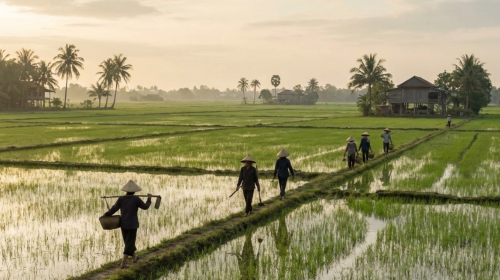
(Yangon, 26 March 2026) The first anniversary of the earthquake, which struck central Myanmar, is approaching on Saturday, 28 March. While substantial progress has been made, recovery efforts continue with a sharp focus on restoring livelihoods and rebuilding agricultural systems. The disaster affected an estimated 17 million people across 57 townships, with widespread damage to farmland, irrigation systems, and rural infrastructure. For farming communities, the impact extended beyond immediate loss, disrupted planting cycles and threatened long-term income stability. Across affected areas, an estimated 3.7 million hectares of cropland were impacted, with land sinking, cracking, or becoming unsuitable for cultivation. For many households, missing a planting season would mean losing their primary source of income, and for some, food for the year. 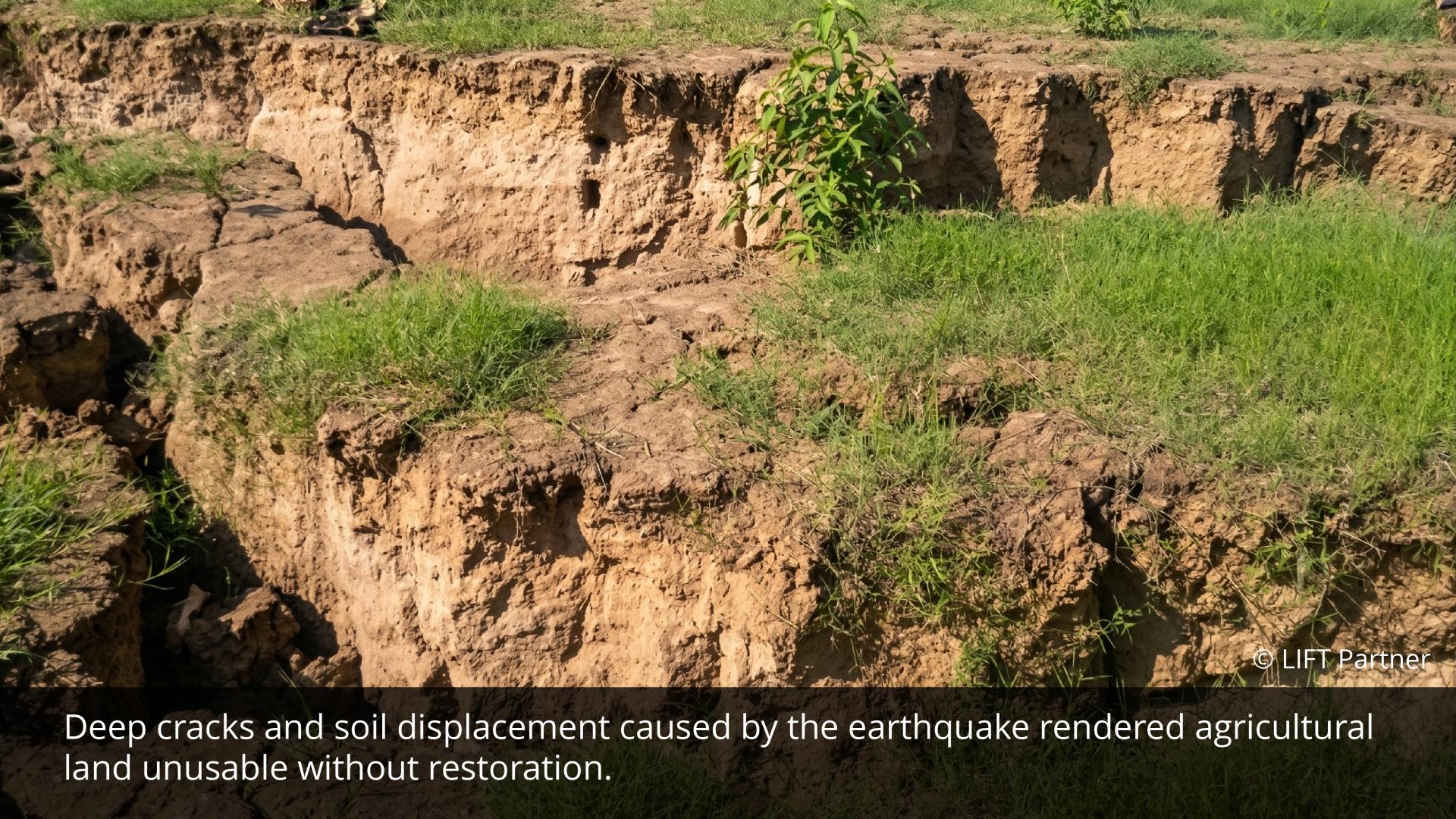
Response to Recovery
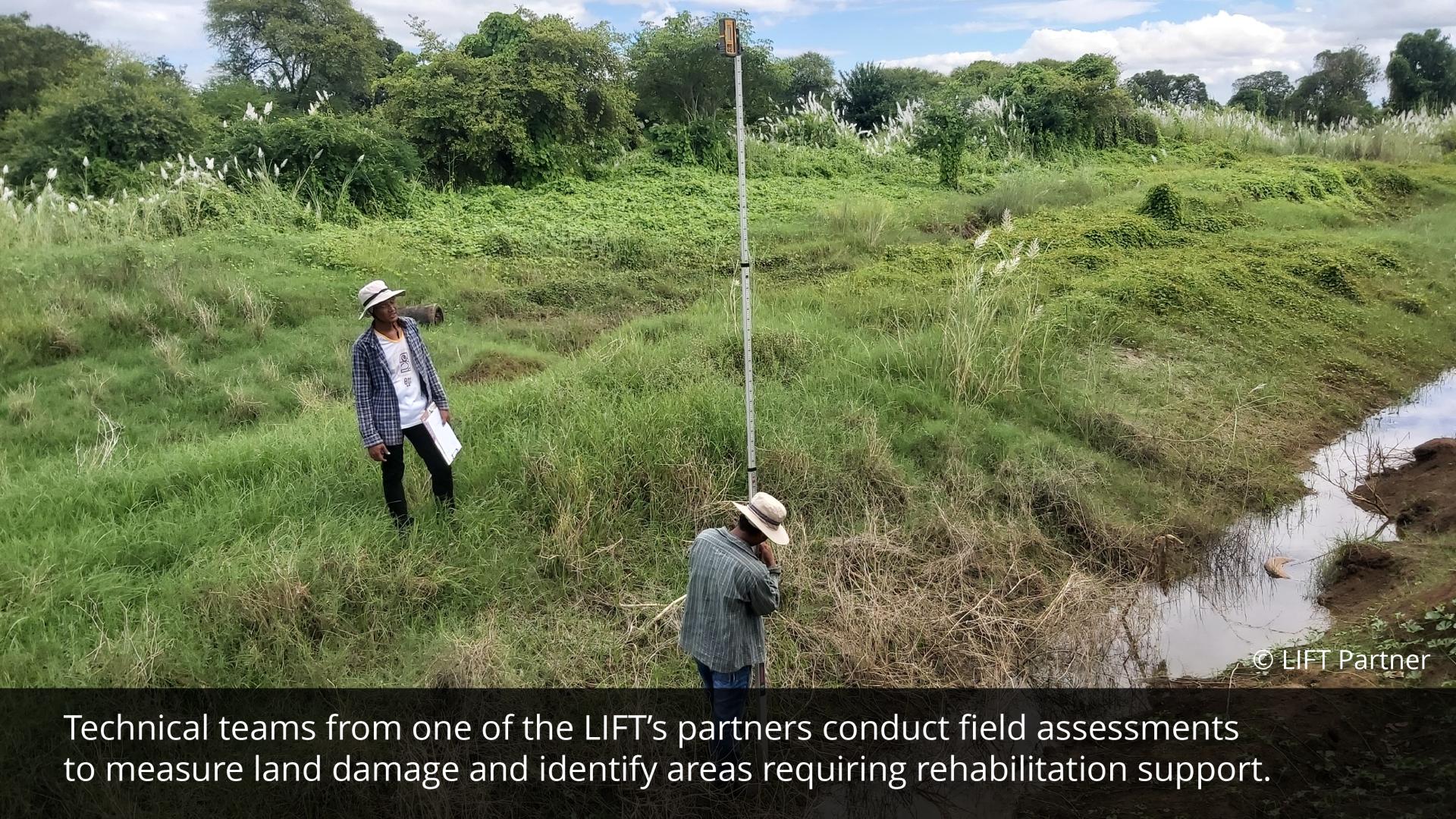
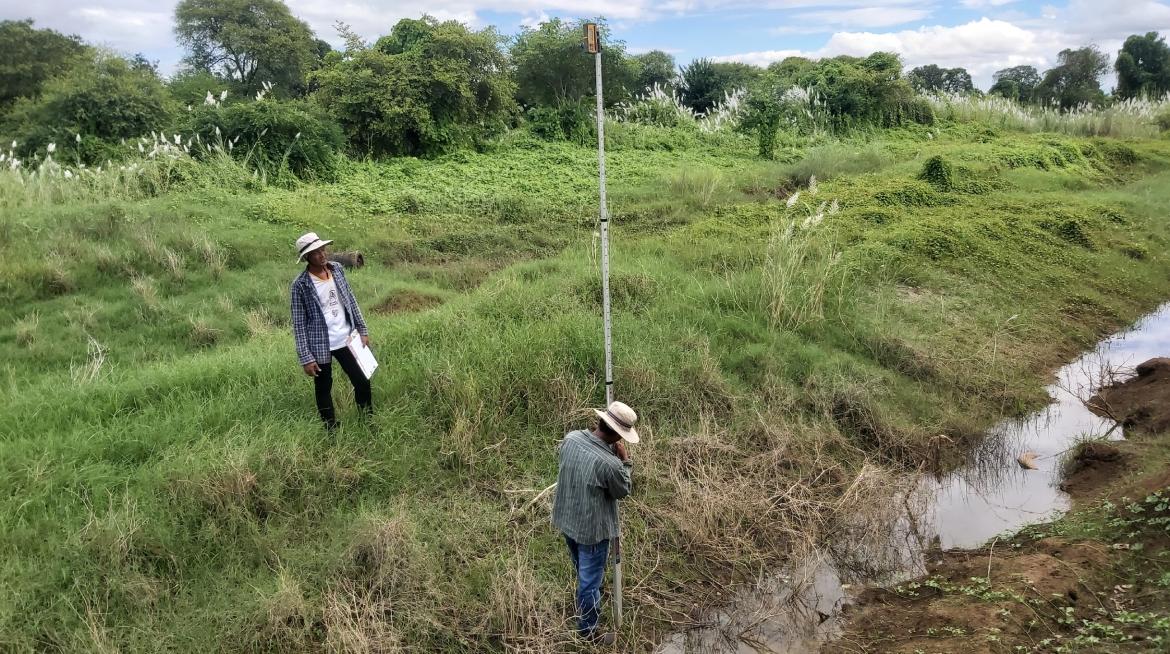
In the immediate aftermath, support focused on the emergency response. As the response progressed, the focus shifted toward early recovery, particularly restoring agricultural production. Interventions were designed to align with the agricultural calendar, ensuring farmers could return to production within the same season.
This included:
- Land rehabilitation through levelling and restoration
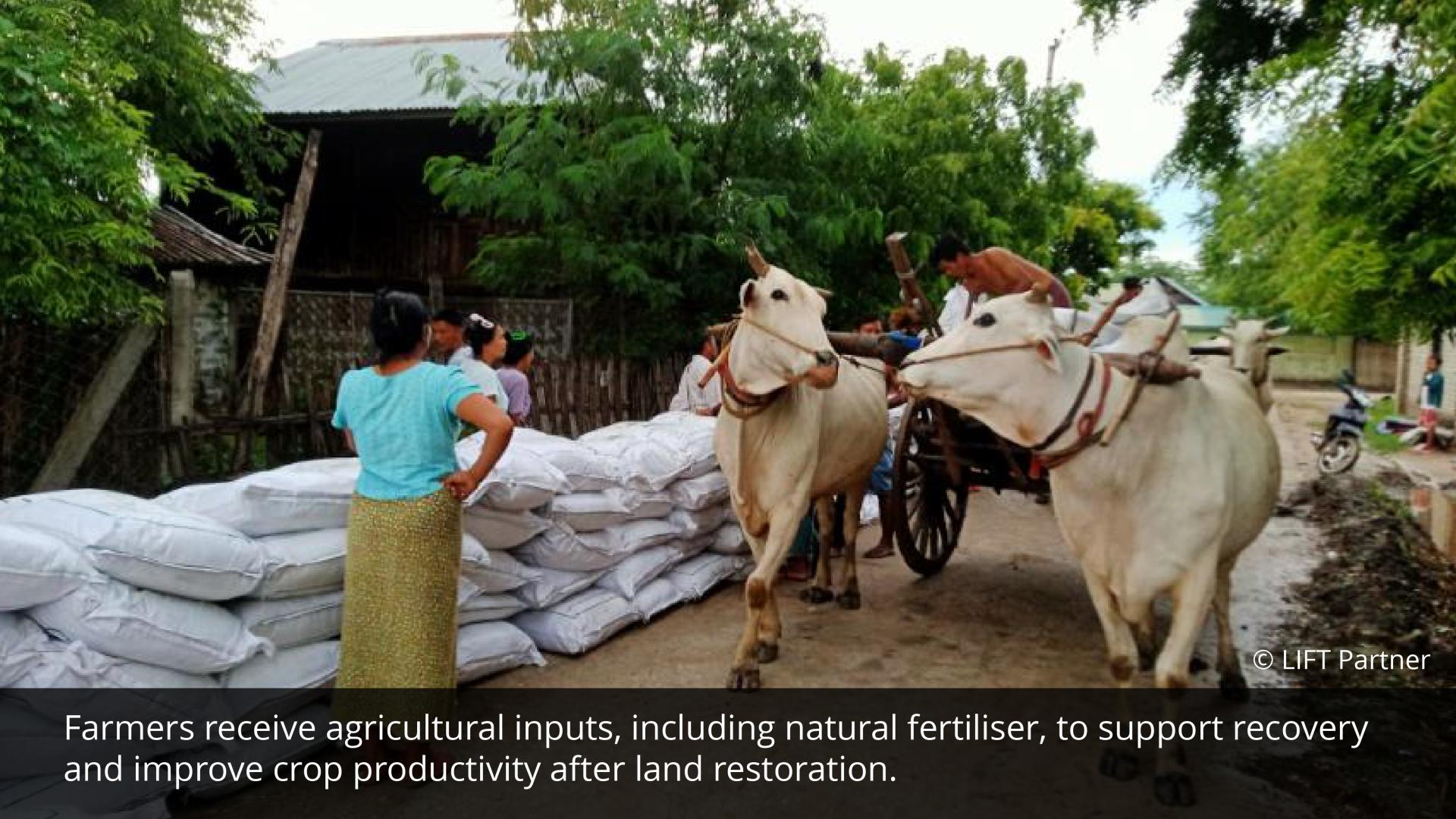
- Distribution of natural fertilisers, seeds, and other agricultural inputs
- Technical guidance to improve soil conditions and productivity
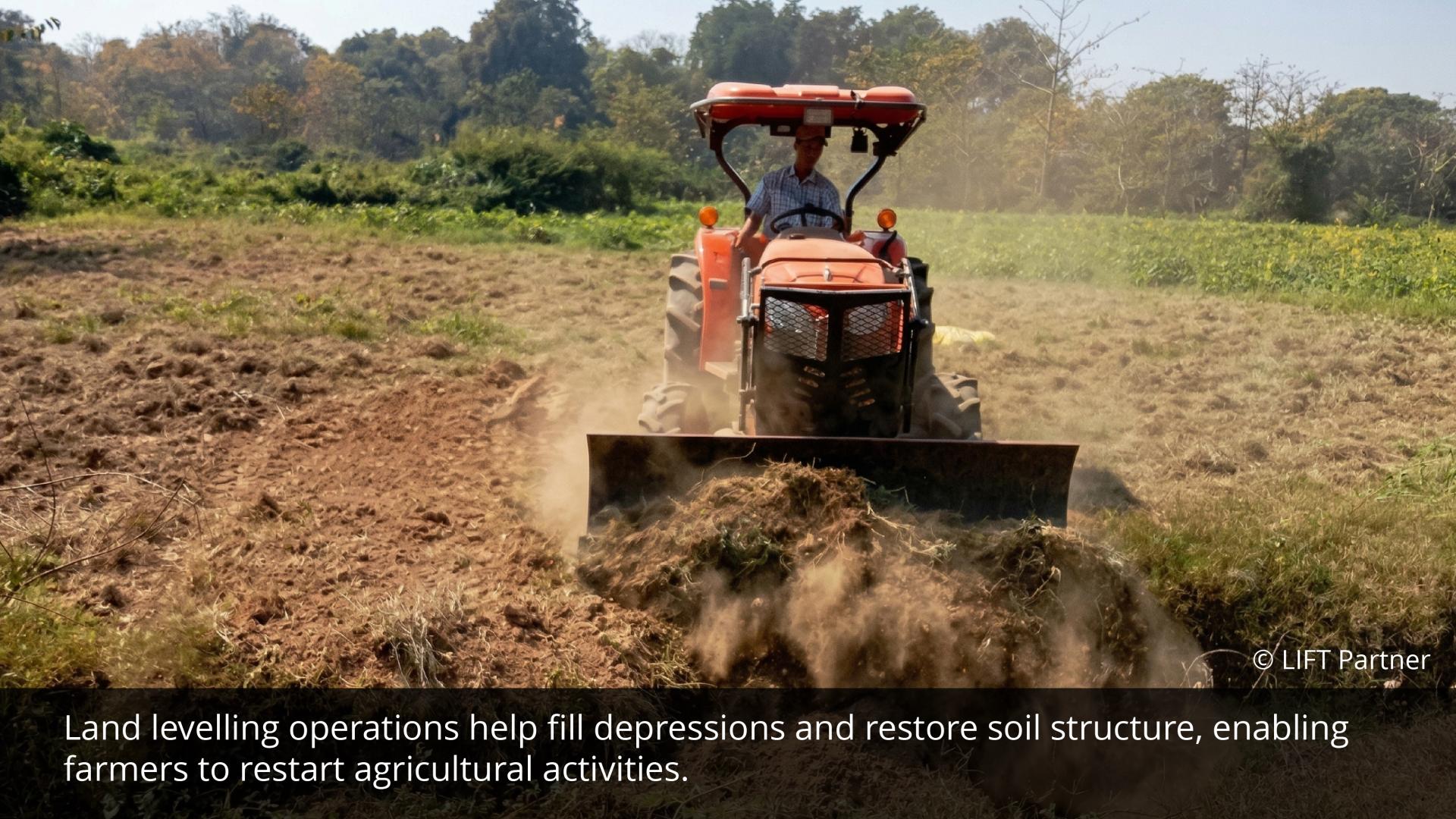
A Farmer’s Experience
For one farmer, the earthquake left his land severely damaged, with a large depression making cultivation impossible.
With support for land levelling and access to natural fertiliser, he was able to prepare his fields again and resume planting. He has since returned to growing multiple crops on his three-acre plot and expects a significantly improved harvest compared to the previous year.
Recovery Across Communities
His experience reflects a broader pattern seen across affected communities, where timely support has enabled farmers to restart production and begin rebuilding their income.
Many smallholder farmers faced similar challenges after the earthquake:
- Land that could no longer be cultivated
- Limited resources to restore fields
- Risk of losing a full agricultural season
With targeted support, farmers were able to bring land back into use and continue farming.
In several communities, farmers report that:
- Restored land is now productive again
- Access to natural fertiliser and seeds has improved crop performance
- Timely support helped prevent income loss
For rural households, agriculture is the foundation of both income and food security. When farmland is damaged, the effects can last far beyond the immediate crisis. Missing even one planting season can create long-term financial strain.
Looking Ahead
Recovery is still ongoing, but early progress shows that targeted support can help communities rebuild more quickly.
Restoring farmland is not only about production. It is about enabling families to regain stability and supporting communities to move forward after a natural disaster.
(Myanmar language)
ငလျင်အပြီးတစ်နှစ်အကြာ မြန်မာနိုင်ငံအလယ်ပိုင်းတွင် စိုက်ပျိုးမြေများနှင့် အသက်မွေးဝမ်းကျောင်းလုပ်ငန်းများ ပြန်လည်ထူထောင်ခြင်း
(ရန်ကုန်၊ (၂၆) မတ် ၂၀၂၆) မြန်မာနိုင်ငံအလယ်ပိုင်းကို ဗဟိုပြုလှုပ်ခတ်ခဲ့သည့် ငလျင်ကြီး၏ တစ်နှစ်ပြည့်သည်လာမည့် မတ် (၂၈) ရက် (စနေနေ့)တွင် ကျရောက်မည်ဖြစ်ပါသည်။ သိသာထင်ရှားသော တိုးတက်မှုများ ရရှိခဲ့ခြင်းနှင့်အတူ ပြန်လည်ထူထောင်ရေး ကြိုးပမ်းမှုများသည် အသက်မွေးဝမ်းကျောင်းလုပ်ငန်းများ ပြန်လည်ထူထောင်ရေးနှင့် စိုက်ပျိုးရေးစနစ်များ ပြန်လည်တည်ဆောက်ရန်အတွက်လည်း အဓိကထား ဆောင်ရွက်လျက်ရှိပါသည်။
အဆိုပါဘေးအန္တရာယ်သည် မြို့နယ် (၅၇) မြို့နယ်ရှိ ခန့်မှန်းလူဦးရေ (၁၇) သန်းခန့်ကို သက်ရောက်မှုရှိခဲ့ပြီး စိုက်ပျိုးမြေများ၊ ဆည်မြောင်းစနစ်များနှင့် ကျေးလက် အခြေခံအဆောက်အအုံများ ကျယ်ကျယ်ပြန့်ပြန့် ပျက်စီးခဲ့ရပါသည်။ လယ်ယာ လုပ်ကိုင်သည့် လူမှုအသိုင်းအဝိုင်းများအတွက် ထိခိုက်မှုအနေဖြင့် ချက်ချင်းလက်ငင်း ဆုံးရှုံးမှုကိုပင် ကျော်လွန်၍ စိုက်ပျိုးချိန်များအပေါ် အနှောင့်အယှက်ဖြစ်စေကာ ရေရှည်ဝင်ငွေတည်ငြိမ်မှုကို ခြိမ်းခြောက်ခဲ့ပါသည်။
ငလျင်ဒဏ်ခံရသည့် ဒေသများတွင် ခန့်မှန်း ဟက်တာ (၃.၇) သန်းရှိ သီးနှံစိုက်ခင်းများ ထိခိုက်ခဲ့ပြီး မြေများ ကျွံဝင်သွားခြင်း၊ ကွဲအက်ခြင်း သို့မဟုတ် စိုက်ပျိုးရန် မသင့်တော်တော့ခြင်းတို့ ဖြစ်ပေါ်ခဲ့ပါသည်။ အိမ်ထောင်စုအများအပြားအတွက် စိုက်ပျိုးရာသီတစ်ရာသီ လက်လွတ်ဆုံးရှုံးရခြင်းသည် ၎င်းတို့၏ အဓိကဝင်ငွေ အရင်းအမြစ်ကို ဆုံးရှုံးရခြင်းဖြစ်ပြီး အချို့အတွက်မူ တစ်နှစ်လုံးစာ စားနပ်ရိက္ခာ ဆုံးရှုံးရခြင်းကိုပင် ဆိုလိုပါသည်။
တုံ့ပြန်မှုမှ ပြန်လည်ထူထောင်ရေးသို့
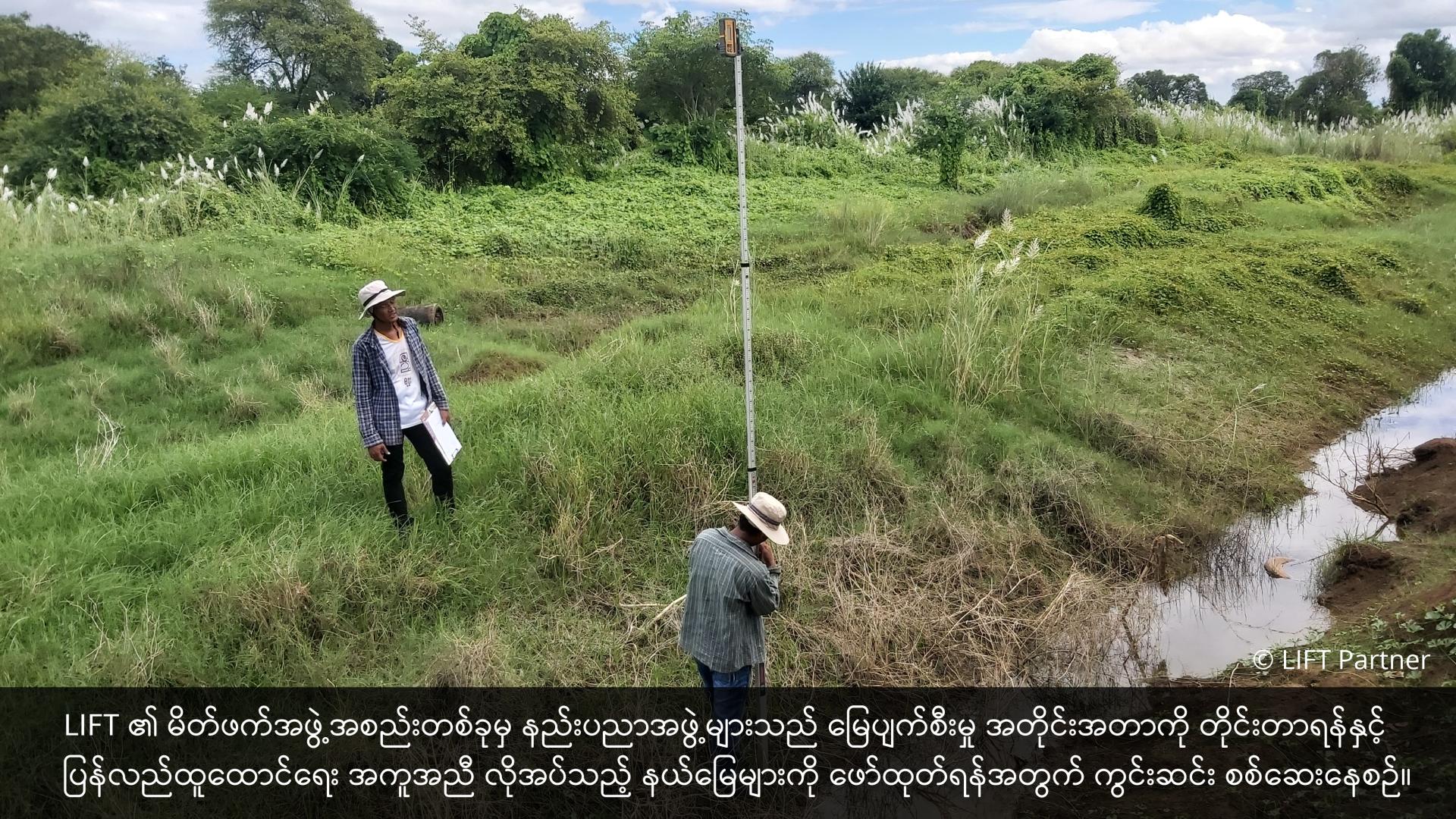
ငလျင်ဖြစ်ပွားပြီးချိန် အစောပိုင်းကာလများတွင် အထောက်အပံ့များသည် အရေးပေါ်တုံ့ပြန်ရေးလုပ်ငန်းများအပေါ် အဓိကထားခဲ့ပါသည်။ တုံ့ပြန်ရေးလုပ်ငန်းများ တိုးတက်လာသည်နှင့်အမျှ အာရုံစိုက်မှုသည် အစောပိုင်းပြန်လည်ထူထောင်ရေးသို့ ပြောင်းလဲသွားပြီး၊ အထူးသဖြင့် စိုက်ပျိုးရေးဆိုင်ရာထုတ်လုပ်မှုများ ပြန်လည်တည်ဆောက်ခြင်းကို ဦးစားပေးခဲ့သည်။ အဆိုပါဆောင်ရွက်ချက်များကို စိုက်ပျိုးရေးရာသီကာလနှင့် ကိုက်ညီအောင် စီမံထားပြီး၊ တောင်သူများအား ၎င်းတူညီသောရာသီအတွင်း ပြန်လည်ထုတ်လုပ်နိုင်စေရန် ကူညီပံ့ပိုးပေးခဲ့သည်။
ယင်းတွင် ပါဝင်သည်မှာ—
- မြေညှိခြင်းနှင့် ပြန်လည်ပြုပြင်ခြင်းဖြင့် လယ်ယာမြေ ပြန်လည်အသုံးပြုနိုင်စေရန် ဆောင်ရွက်ခြင်း
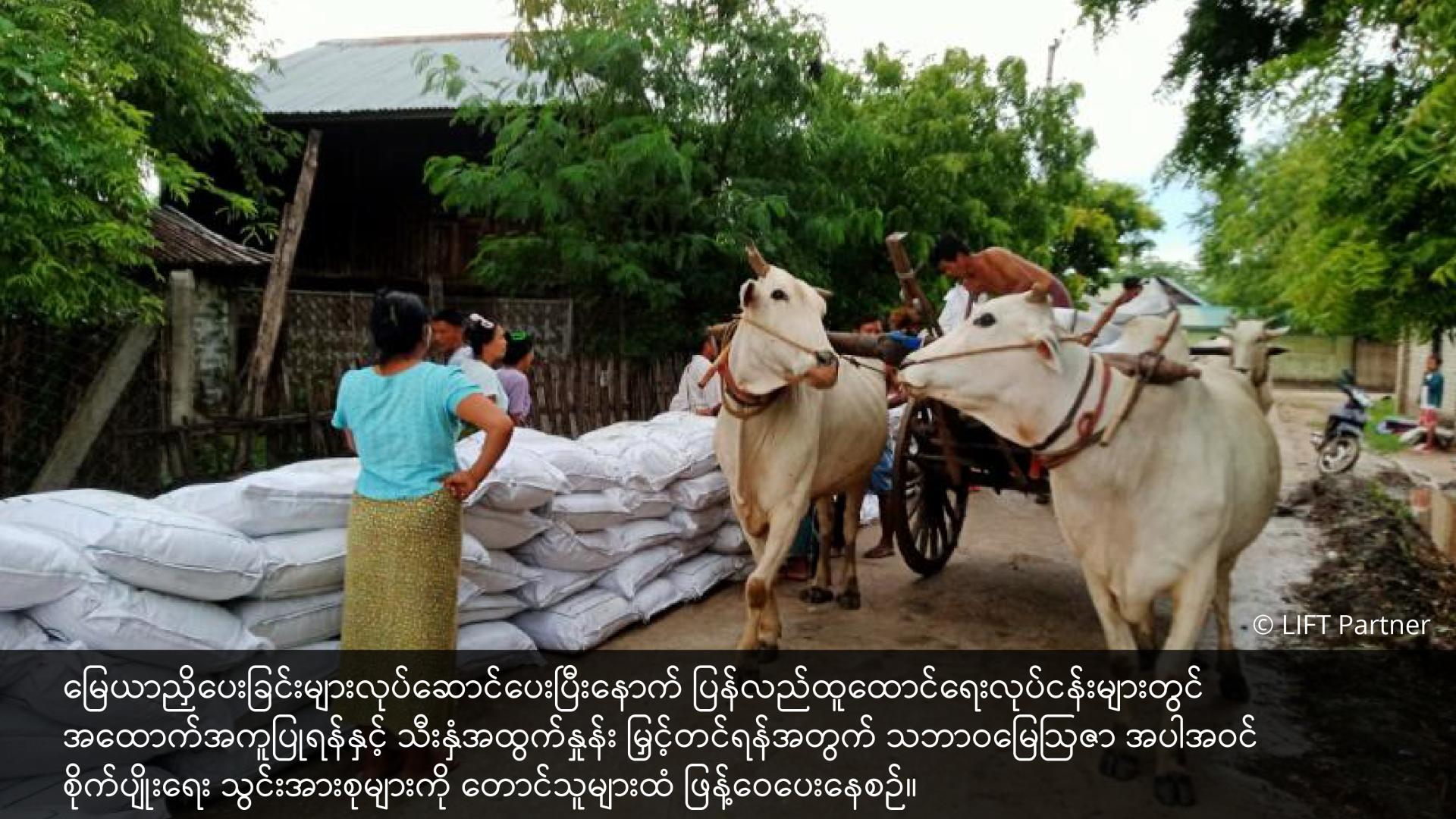
- သဘာဝမြေဩဇာ၊ မျိုးစေ့များနှင့် စိုက်ပျိုးရေးအတွက် လိုအပ်သော ပစ္စည်းများ ဖြန့်ဝေခြင်း
- မြေဆီလွှာကောင်းမွန်ရေးနှင့် ထုတ်လုပ်မှုတိုးတက်ရေးအတွက် နည်းပညာလမ်းညွှန်ပေးခြင်း
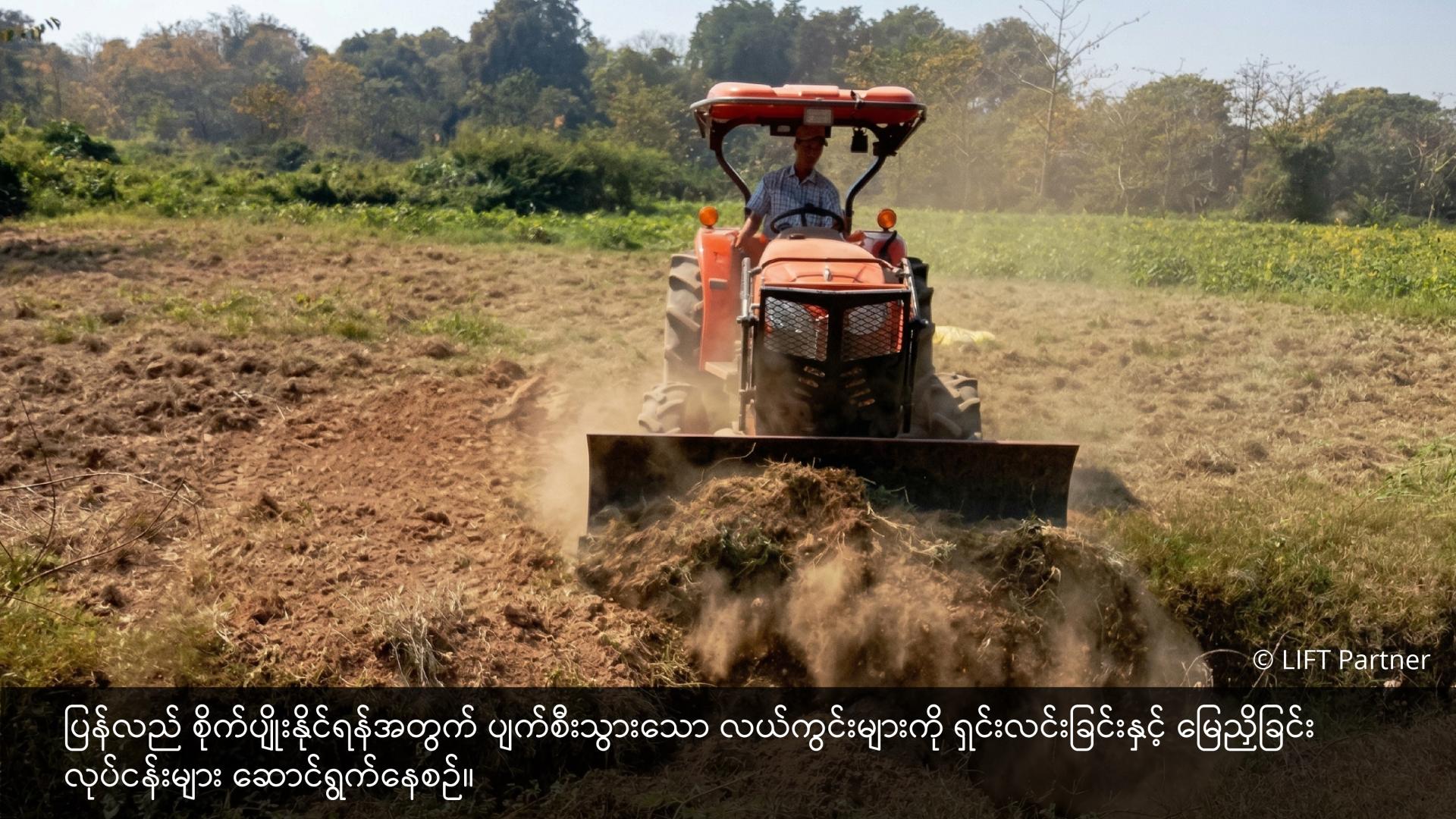
တောင်သူတစ်ဦး၏ အတွေ့အကြုံ
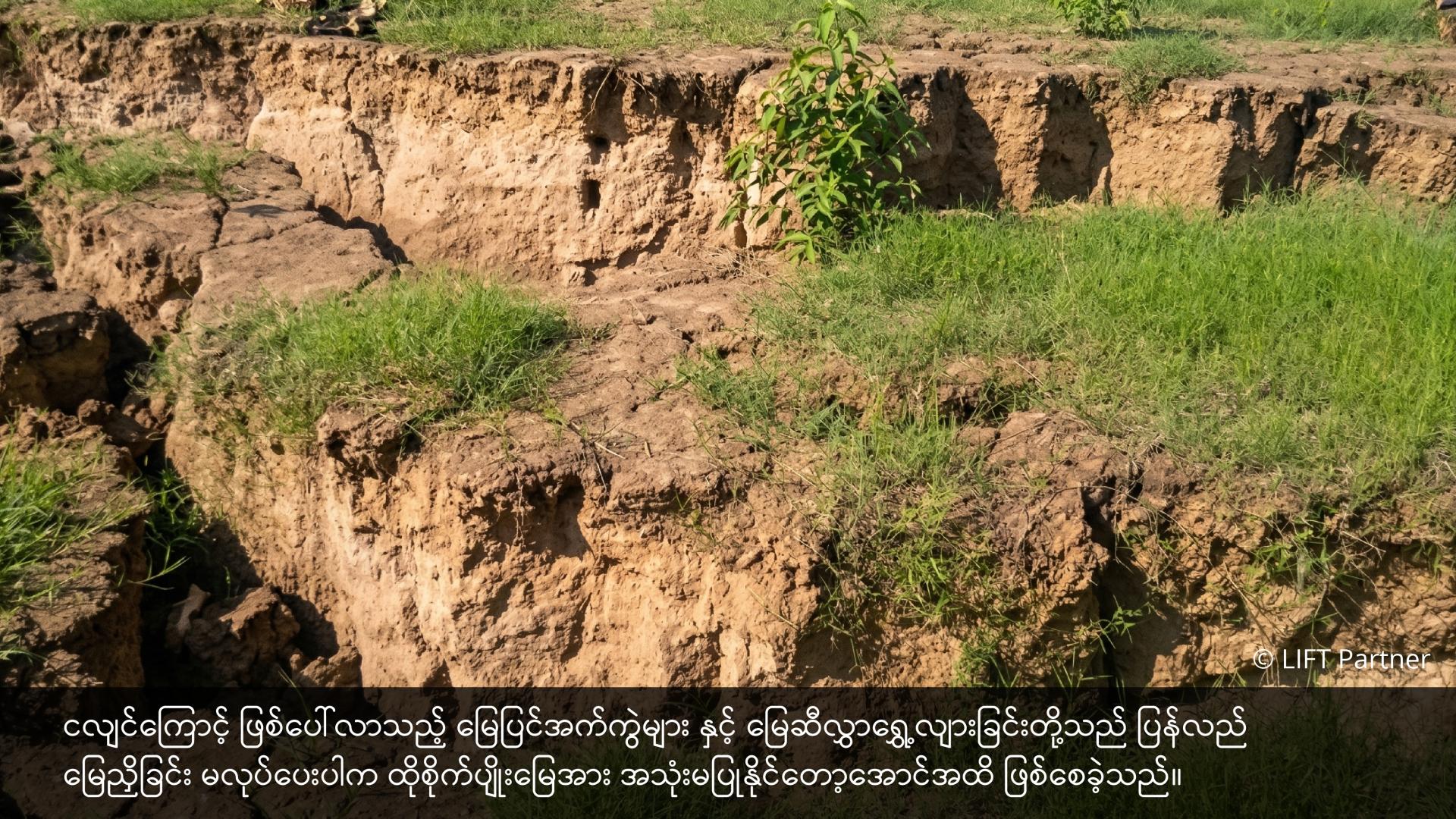
တောင်သူတစ်ဦးအတွက်၊ ငလျင်ကြောင့် သူ၏လယ်မြေသည် အကြီးအကျယ် ပျက်စီးခဲ့ပြီး မြေကြီးမှာလည်း အက်ကွဲကြောင်းကြီး ဖြစ်ပေါ်လာကာ စိုက်ပျိုးရန် မဖြစ်နိုင်တော့ပေ။
သူ၏လယ်မြေကို ပြန်လည်ပြုပြင် မြေညှိပေးသည့် အကူအညီ နှင့် သဘာဝမြေသြဇာရရှိမှုတို့ဖြင့် သူ၏လယ်မြေများကို ပြန်လည်ပြင်ဆင်နိုင်ခဲ့ပြီး စိုက်ပျိုးရေးကို ပြန်လည်စတင်လုပ်ကိုင်နိုင်ခဲ့သည်။ ထို့နောက် သူ၏ သုံးဧက ကျယ်ဝန်းသော မြေကွက်ပေါ်တွင် သီးနှံအမျိုးမျိုး ပြန်လည်စိုက်ပျိုးနိုင်ခဲ့ပြီး ယခင်နှစ်နှင့် နှိုင်းယှဉ်ပါက သိသိသာသာ အထွက်နှုန်း ကောင်းမွန်မည်ဟု မျှော်လင့်ထားသည်။
လူမှုအသိုင်းအဝိုင်းကြားက ပြန်လည်ထူထောင်ရေး
သူ၏အတွေ့အကြုံသည် ငလျင်ဘေးသင့် လူမှုအသိုင်းအဝိုင်းတွင် ရောင်ပြန်ဟပ်နေပြီး အချိန်မီ ရရှိသည့် အကူအညီများသည် တောင်သူများအား ထုတ်လုပ်မှုကို ပြန်လည်စတင်ရန်နှင့် ၎င်းတို့၏ ဝင်ငွေကို ပြန်လည်တိုးပွားရန် စတင်နိုင်စေခဲ့သည်။
ငလျင်အပြီးတွင် လုပ်ကွက်ငယ် လယ်သမားအများအပြားသည် အလားတူစိန်ခေါ်မှုများနှင့် ရင်ဆိုင်ခဲ့ကြရသည်—
- ဆက်လက်စိုက်ပျိုး၍ မရတော့သော မြေ
- လယ်မြေများ ပြန်လည်ပြုပြင်ရန်အတွက် လိုအပ်သည့် အရင်းအမြစ်များ မလုံလောက်ခြင်း
- စိုက်ပျိုးရေးရာသီတစ်ခုလုံး ဆုံးရှုံးနိုင်သည့် အန္တရာယ်
ဦးတည် ပံ့ပိုးမှုများကြောင့် တောင်သူများသည် လယ်မြေများကို ပြန်လည်အသုံးပြုနိုင်ပြီး လယ်ယာလုပ်ငန်း ဆက်လက်လုပ်ကိုင်နိုင်ခဲ့ကြသည်။
လှုမှုအသိုင်းအဝိုင်းအတော်များများတွင် တောင်သူများက ပြောကြားကြသည်—
- ပြန်လည်ပြင်ဆင်ထားသော လယ်မြေများသည် ယခုအခါ ထုတ်လုပ်နိုင်စွမ်း ပြန်လည်ရရှိလာသည်။
- သဘာဝမြေဩဇာနှင့် မျိုးစေ့များ ရရှိနိုင်မှုကြောင့် သီးနှံထွက်ရှိမှု တိုးတက်လာသည်။
- အချိန်မီအကူအညီများက ဝင်ငွေဆုံးရှုံးမှုကို ကာကွယ်ပေးနိုင်ခဲ့သည်။
ကျေးလက်ဒေသများရှိ မိသားစုများအတွက် စိုက်ပျိုးရေးသည် ဝင်ငွေ၏ အခြေခံဖြစ်ရုံသာမက စာနပ်ရိက္ခာဖူလုံရေး၏ အဓိကအခြေခံဖြစ်သည်။ စိုက်ပျိုးမြေ ပျက်စီးသွားပါက ၎င်း၏ သက်ရောက်မှုများသည် ကြာရှည်စွာ ဆက်လက် ဖြစ်ပေါ်နိုင်သည်။စိုက်ပျိုးရာသီတစ်ရာသီကို မမီလိုက်ခြင်းသည် ရေရှည် စီးပွားရေးအခက်အခဲများကို ဖြစ်စေနိုင်သည်။
ရှေ့ဆက်လျှောက်ရမည့်လမ်း
ပြန်လည်ထူထောင်ရေးသည် ဆက်လက်လုပ်ဆောင်နေဆဲဖြစ်သော်လည်း အစောပိုင်းတိုးတက်မှုဖြစ်စဉ်များက ဦးတည်ပံ့ပိုးမှုများသည် လူမှုအသိုင်းအဝိုင်းများအား ပိုမိုမြန်ဆန်စွာ ပြန်လည်တည်ဆောက်နိုင်ရန်အတွက် အထောက်အကူပြုနိုင်ကြောင်း ပြသနေသည်။
စိုက်ပျိုးမြေများ ပြန်လည်ကောင်းမွန်လာအောင်ပြုလုပ်ခြင်းသည် ထုတ်လုပ်မှုအတွက် သာမက ၎င်းသည် မိသားစုများအား တည်ငြိမ်မှုကို ပြန်လည်ရရှိစေရန်နှင့် သဘာဝဘေးအန္တရာယ်တစ်ခုပြီးနောက် လူမှုအသိုင်းအဝိုင်းများကို ရှေ့ဆက်နိုင်ရန် ထောက်ပံ့ပေးခြင်း ဖြစ်သည်။