Rebuilding After Disaster to Restore Food Production in Sagaing
Ko Min Min, 44, operated a small engine repair shop that served as a lifeline for his community. Farmers relied on his expertise when tractors broke down or irrigation systems faltered. Warehouse managers sought his help when electric generators maintaining food storage facilities for such dry goods as rice, onions and garlic encountered problems.
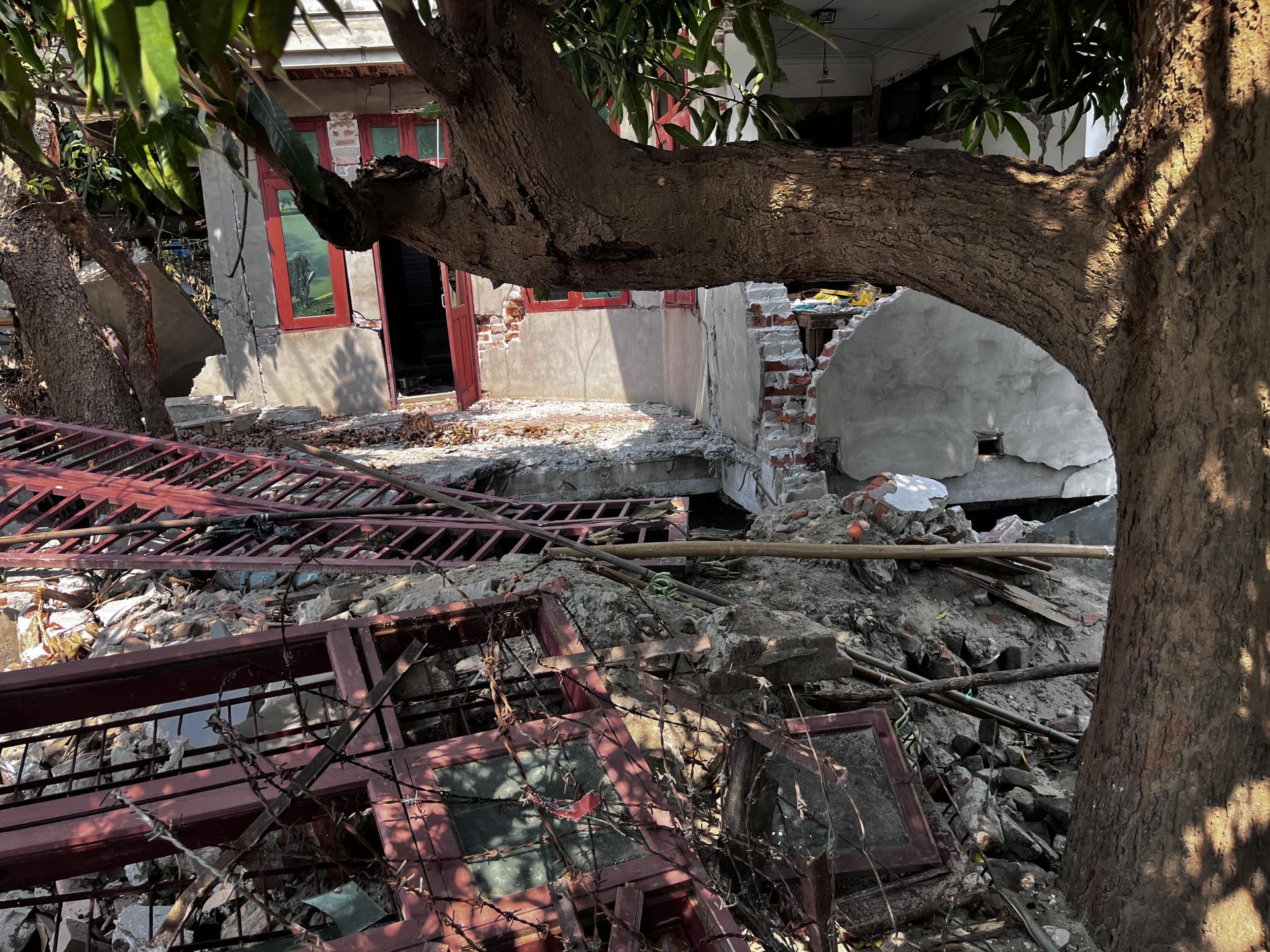
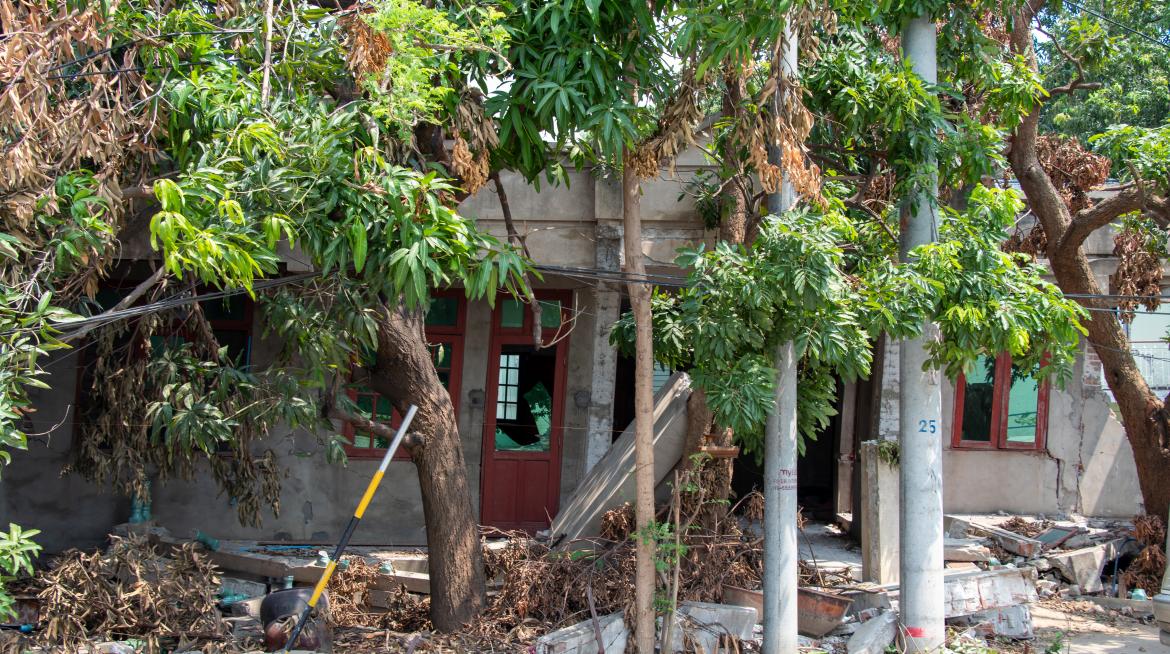
Everything changed when the devastating March 28 earthquake struck, leveling both his repair shop and home. Like many others in the affected areas of Sagaing Region, Ko Min Min suffered profound personal and professional losses.
"My older sister was still alive for a while after the building collapsed," he recalls quietly. "And my younger sister, who was a fashion designer, also passed away. She loved her little boy so deeply," he adds, his voice breaking.
The earthquake's toll on Ko Min Min's family was catastrophic. Of the seven family members living together—his father, older brother, older sister, younger sister, her husband and their young son—only three survived. Ko Min Min managed to save his brother-in-law and nephew, but despite desperate efforts, his father, older brother, and both sisters perished. Ko Min Min himself sustained injuries when the ground floor collapsed.
Support in Crisis
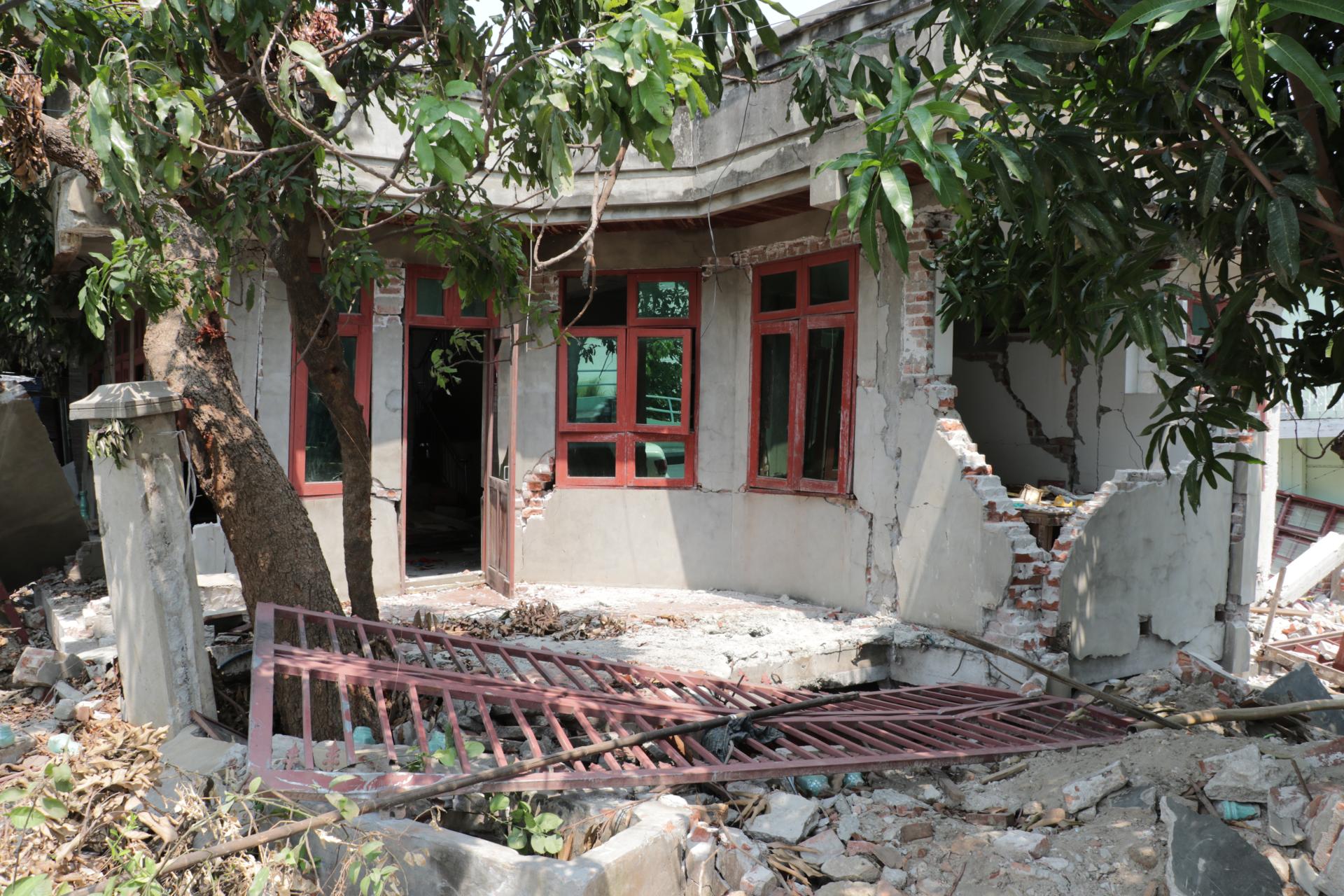 With his home severely damaged and unsafe, Ko Min Min needed assistance for demolition and reconstruction. Several organizations provided essential items and cash support, enabling him to build temporary shelter and hold memorial ceremonies for his lost family members.
LIFT's implementing partner in Sagaing provided Multi-Purpose Cash Assistance of 360,000 MMK (approximately US$85). Though modest, this support proved crucial during his family's most difficult period.
"Even this amount helped tremendously," Ko Min Min acknowledges.
His sister now helps with daily meals, but Ko Min Min's focus remains clear: rebuilding his livelihood through work. The repair shop represents more than income—it's a family business inherited from his father, specializing in single-cylinder engines essential for local agriculture and food storage.
Community Recovery Through Local Enterprise
Ko Min Min's determination extends beyond personal recovery. By reopening his workshop, he aims to support the broader rehabilitation of his community, particularly farmers and food businesses also severely affected by the earthquake.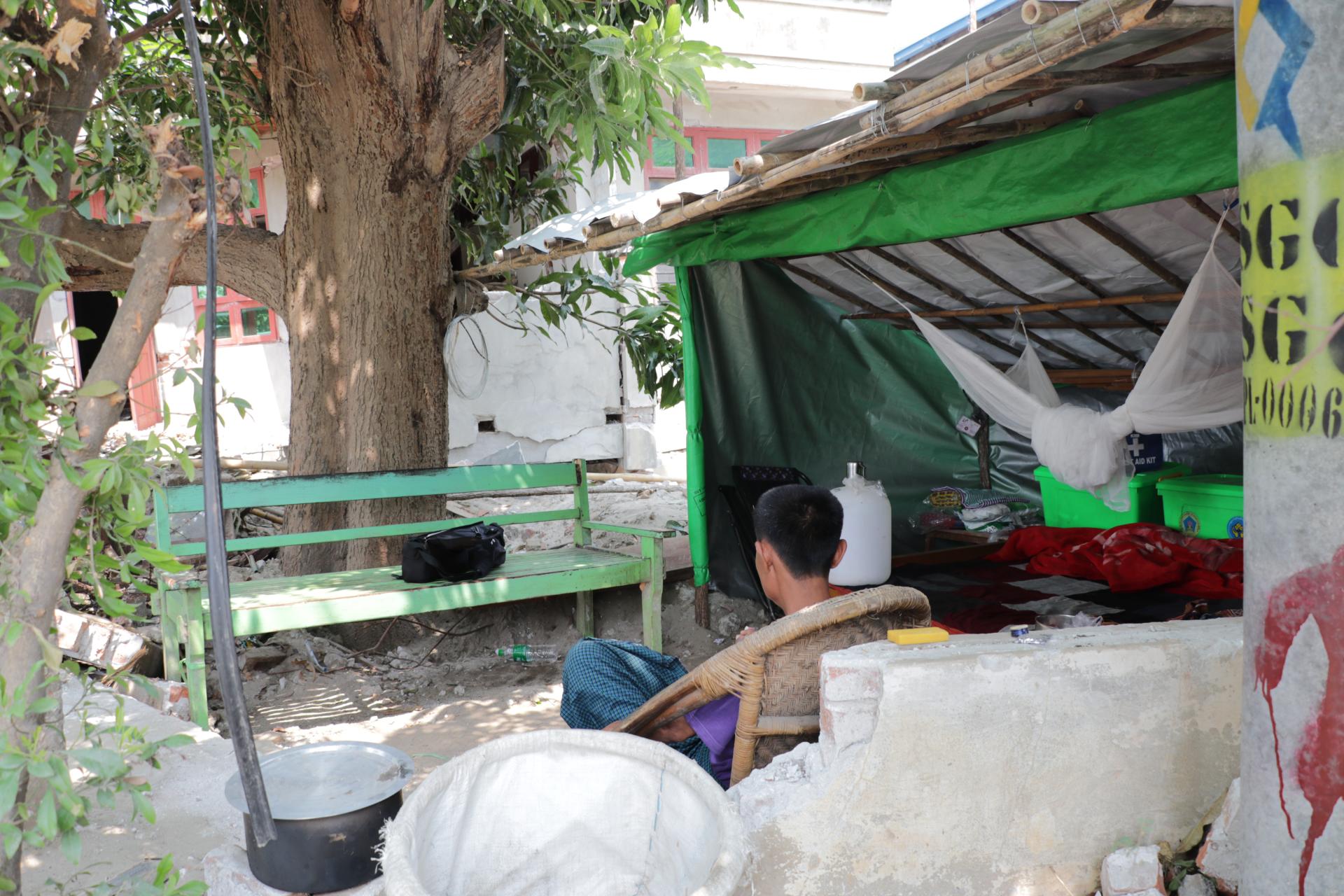
These engines power small tractors used to cultivate fields and maintain irrigation systems essential for agriculture in the region. However, Ko Min Min recognizes the challenges ahead. Many loyal customers—primarily farmers and small food traders—continue struggling to recover their own livelihoods.
"Even after I reopen my shop, it will take time before my customers can return—they are still working to get their own businesses back on their feet after the earthquake," he explains.
Restoring Food Security
Recovery efforts in Sagaing Region now focus not only on rebuilding homes but also on revitalizing agriculture and food security. Small and medium enterprise owners like Ko Min Min play a crucial role in this ecosystem. Through the restoration of local businesses like his repair shop, farmers can gradually regain the tools needed to resume food production, sustain their families, and rebuild local markets.
With continued support for livelihoods, agriculture and small businesses, communities in Sagaing are steadily transforming resilience into recovery—rebuilding homes, repairing engines and bringing fields back to life, one step at a time.
This story highlights LIFT's commitment to supporting communities through targeted assistance that helps restore livelihoods and rebuild local food systems in disaster-affected areas.
All photos © LIFT/Aung Phyo Paing