Earthquake Overview
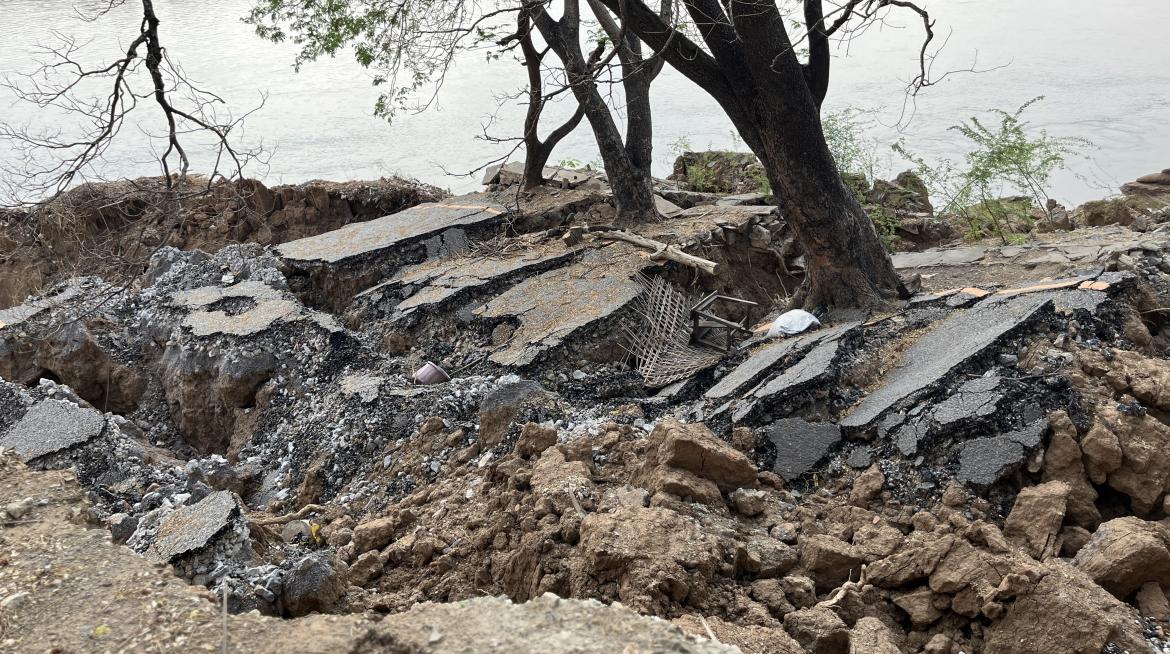
A powerful 7.7 magnitude earthquake struck Central Myanmar on March 28, leaving thousands of families in desperate need and testing the resilience of communities already facing multiple challenges.
The Day the Earth Trembled
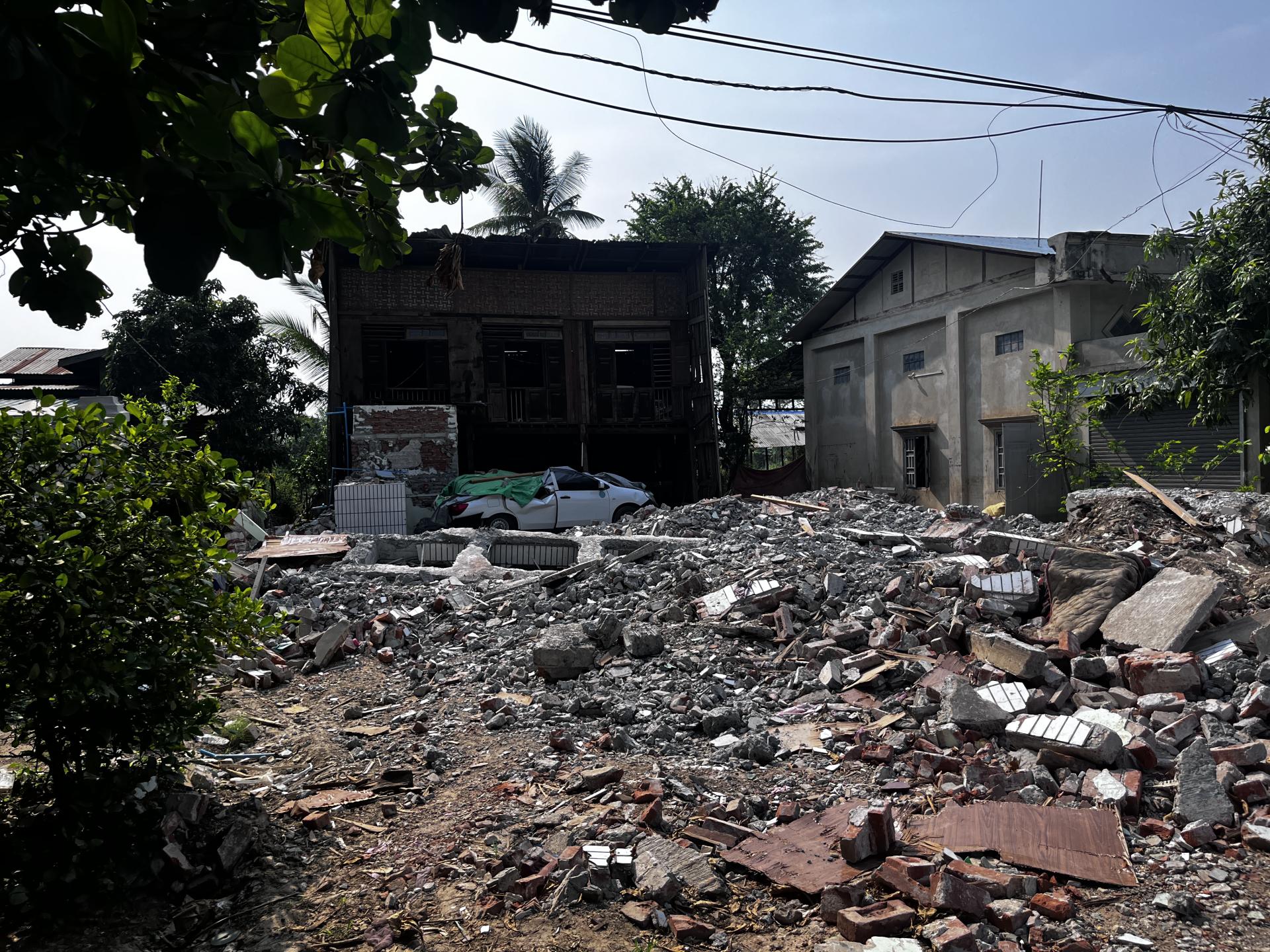
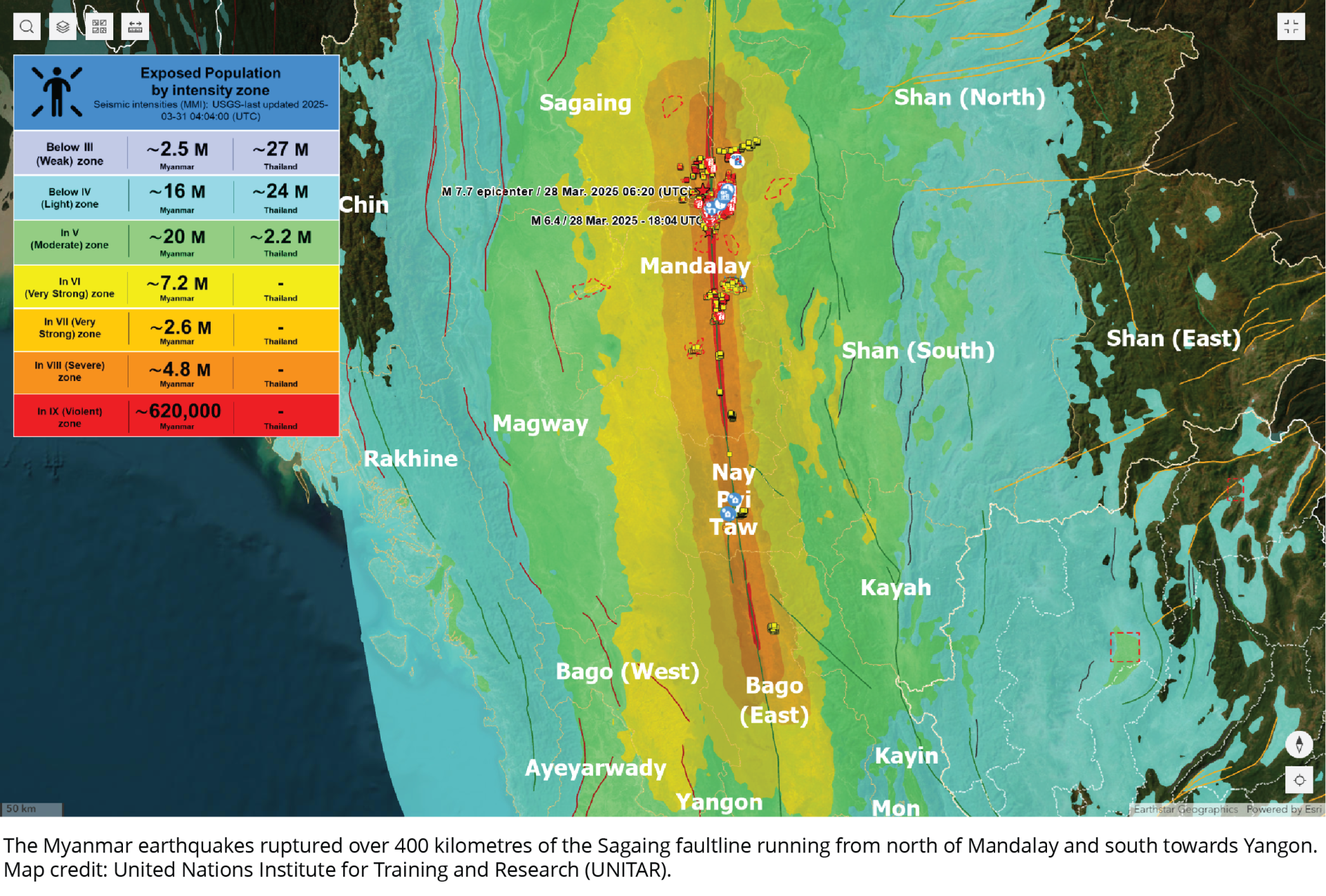
In the early afternoon of March 28, Central Myanmar was struck by the devastating 7.7 earthquake, followed by a second measuring 6.4 in magnitude. The impact was catastrophic, causing widespread destruction across regions already struggling with pre-existing vulnerabilities.
The human toll has been significant. According to publicly available figures, almost 3,800 people lost their lives. Media reports suggest they could go as high as 4,500. Thousands more were injured, and even more displaced. The earthquakes have severely affected an area home to at least 15 million people, many of whom were already fighting to make ends meet before disaster struck. In a matter of moments, countless families found themselves in urgent need of humanitarian assistance, including food, water, shelter and healthcare.
The crisis following the earthquakes has been compounded by ongoing aftershocks, extensive damage to critical infrastructure, and the looming threat of severe weather as the monsoon season approaches. While humanitarian response efforts intensified in the weeks following the disaster, significant challenges persist in reaching affected communities and addressing the immense scale of needs.
LIFT's Immediate Response
LIFT partners had funds flowing the morning after the earthquake, reaching some 16,000 people with about US$265,000 distributed in early response. This assistance came primarily as multiple-cash assistance but in some instances also as hygiene and first aid kits, drinking water and other essentials.
In the following weeks, LIFT partners provided around US$2 million in assistance throughout the earthquake-affected areas. LIFT continues to support the most vulnerable families while transitioning its emergency support into early recovery.
Critical Timing and Agricultural Impact
According to a report from OCHA, the UN entity that coordinates humanitarian responses, the earthquakes hit at a particularly critical time — during the driest month and the pre-monsoon season — and struck regions vital to Myanmar's agricultural economy.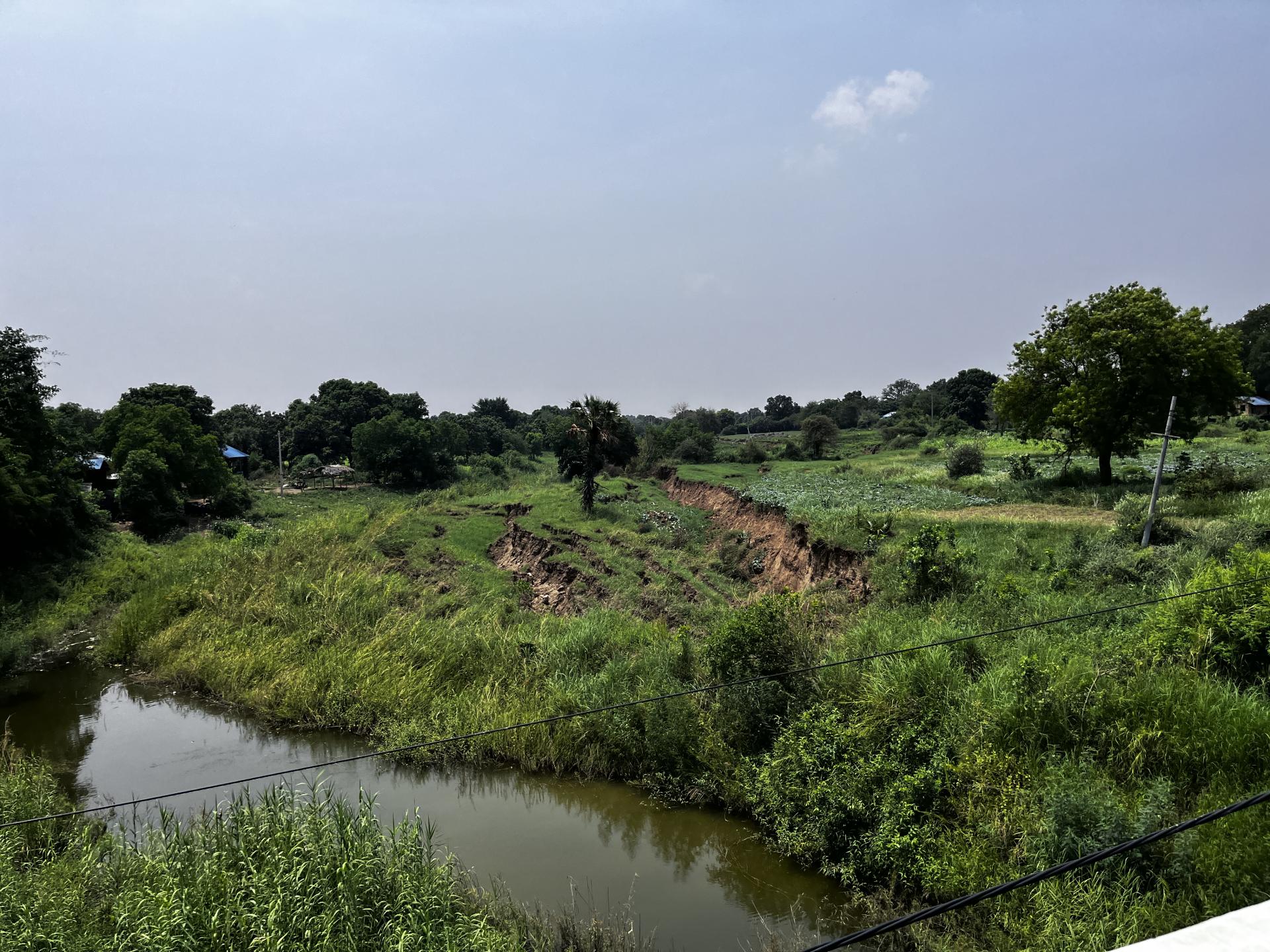
The hardest-hit areas account for around one-third of the country's cereal production, four-fifths of its maize output, and nearly two-thirds of the national cattle and buffalo population.
Livelihoods have been severely disrupted, with widespread damage to farmland and essential infrastructure now threatening food production ahead of the monsoon season and jeopardizing other income-generating activities.
Ongoing Challenges and Recovery Efforts
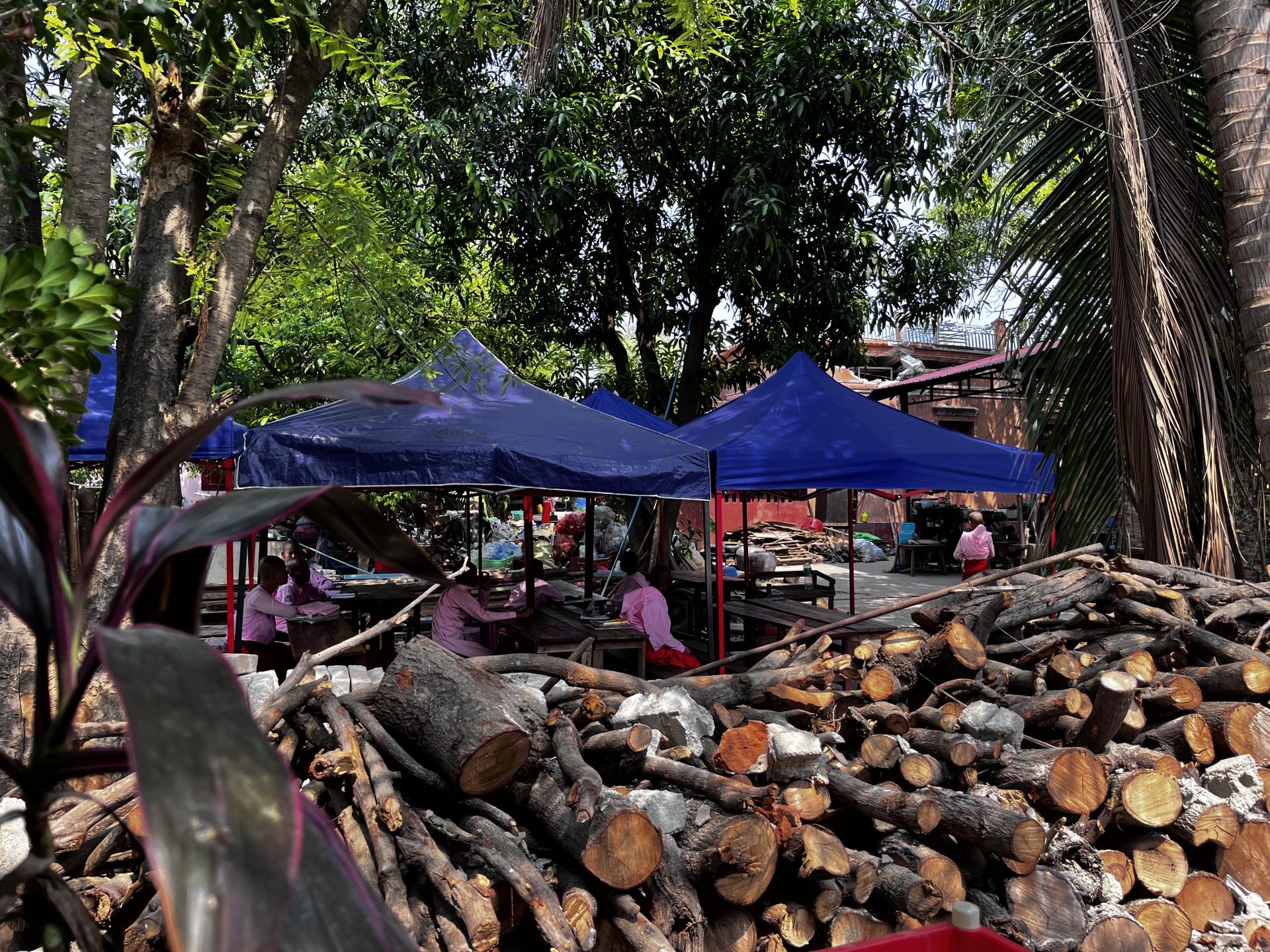 In the aftermath of the earthquakes, many affected families remain without adequate assistance, particularly in Sagaing, where tighter security restrictions and rising prices have hindered aid delivery and strained the local economy. Local residents are fearful and reluctant to speak out, further complicating response efforts.
LIFT partners have noted differing levels of need between those living in temporary shelters and those with damaged homes. Vulnerable groups—such as monastic communities and overlooked families—require targeted support to ensure no one is left behind in recovery efforts.
All photos © LIFT/Aung Phyo Paing