LIFT's Earthquake Response: From Emergency to Recovery in Myanmar
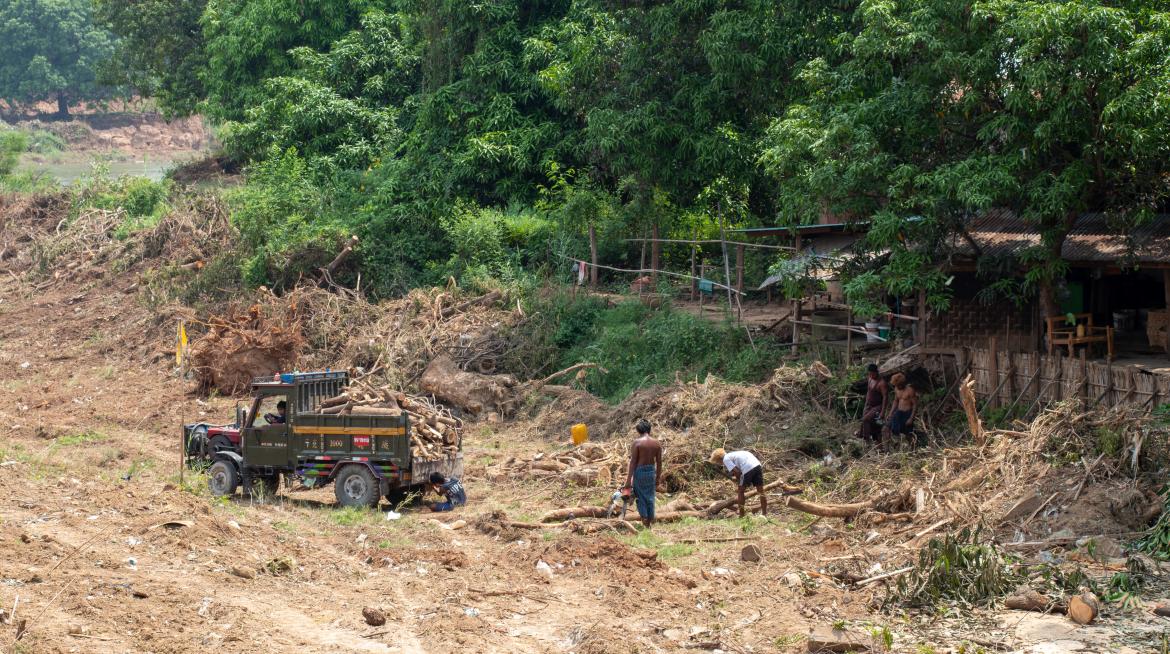
The Director of the Livelihoods and Food Security Fund (LIFT), Mike Huggins, has been pushing for early recovery programming since just days after a devastating earthquake struck central Myanmar on March 28. The destruction severely affected rural and urban communities in 58 of Myanmar’s 330 townships. The epicenter was in Sagaing Region, which is in the central part of the country and has compounded severe challenges already facing the people in that part of Myanmar.
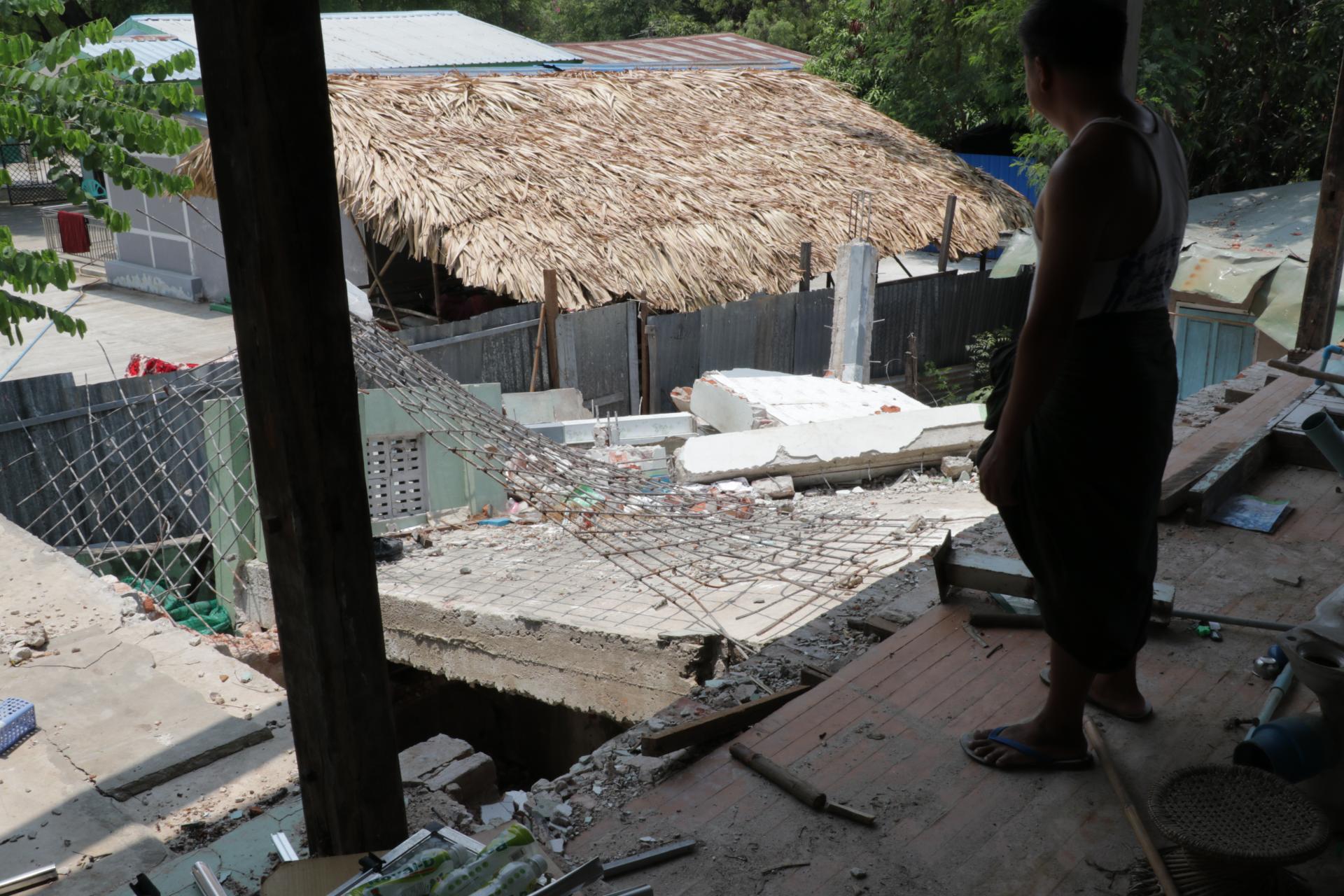
When a 7.7 magnitude earthquake struck central Myanmar on 28 March, followed by a second 6.4 magnitude earthquake, communities across 58 townships were devastated and almost 3,800 lives lost according to publicly available figures. Media reports suggest that the number of dead is over 4,400.
Swift Emergency Response
Within 24 hours of the disaster, the Livelihoods and Food Security Fund (LIFT) mobilized its emergency response mechanisms, distributing cash assistance reaching thousands of people in the most affected areas.
"Helping people get back on their feet is all that matters after the search and rescue teams are done and we have tended to the immediate needs of the families who are left with very little," said Mike Huggins, Director of LIFT, after visiting hard-hit communities.
LIFT partner teams worked diligently in streets and villages of the worst-affected areas to identify and support the most vulnerable families. While primarily a development fund focused on enhancing food security and sustainable livelihoods, LIFT's built-in Humanitarian Window enables partner organizations to respond immediately when disaster strikes, bridging the humanitarian-development nexus.
Flexible Funding MechanismThe Humanitarian Window emergency mechanism has allowed LIFT to repurpose parts of its budget within hours, enabling trusted partners to expand their activities and deliver life-saving assistance to thousands of families. While administrative processes proceed, partner organizations have been able to immediately initiate relief efforts in communities where they already operate.
Decisions about assistance are made locally with community input, ensuring earthquake survivors can access food, drinking water, shelter materials and other necessities according to their specific needs. LIFT typically provides multi-purpose cash assistance, empowering families and communities to determine their most pressing priorities.
Community Resilience
 The earthquakes have once again demonstrated the remarkable resilience and solidarity of Myanmar's people. Neighbours, extended families, and community members have united to support one another with home-cooked meals, drinking water and essential items. Many individuals have even declined assistance when they felt they could manage, asking that resources be directed to those in greater need.
Transitioning to Recovery
One month after the earthquake, LIFT and its partners are seamlessly transitioning their efforts into the early recovery phase.
"Building on the resilience and spirit of perseverance within Myanmar civilian society, all people need is a helping hand and some resources, and they will do the hard work themselves," Huggins explained. “Markets are up and running again, food handouts are not much needed anymore. In the early recovery phase, LIFT and our partners are here to provide that helping hand by assisting with grants and expertise.”
The transition involves tailoring additional support to enable vulnerable families to resume daily activities and restore their livelihoods. While food markets are functioning again and food distributions are no longer the primary need, efforts must focus on restoring supply systems to support the agricultural sector, supply lines and value chains.
Supporting Food Security and Livelihoods
One area of focus will be supporting individual farmers and small and medium enterprises (SMEs) in the agricultural sector. Food production faces challenges from damaged infrastructure, loss of assets, disrupted input markets and reduced access to credit.
In addition to multi-purpose cash support, LIFT will prioritize climate-adapted seeds, fertilizers and other inputs, animal feed and veterinary supplies to mitigate disruptions in food production.
The agricultural sector provides employment and income to thousands of Myanmar's poorest families. LIFT's partners will specifically target particularly vulnerable groups, including women-headed households, families with elderly or disabled members, and casual labourers.
Supporting agriculture underpins food security at the household, community and national levels. In urban areas, LIFT will provide grants to SME owners involved in food production, incorporating climate change adaptation measures to enhance resilience against potential future shocks.
Through this comprehensive approach, LIFT demonstrates how effective humanitarian response can transition to sustainable recovery efforts, building on local strengths and addressing the interconnected challenges of livelihoods and food security in post-disaster contexts.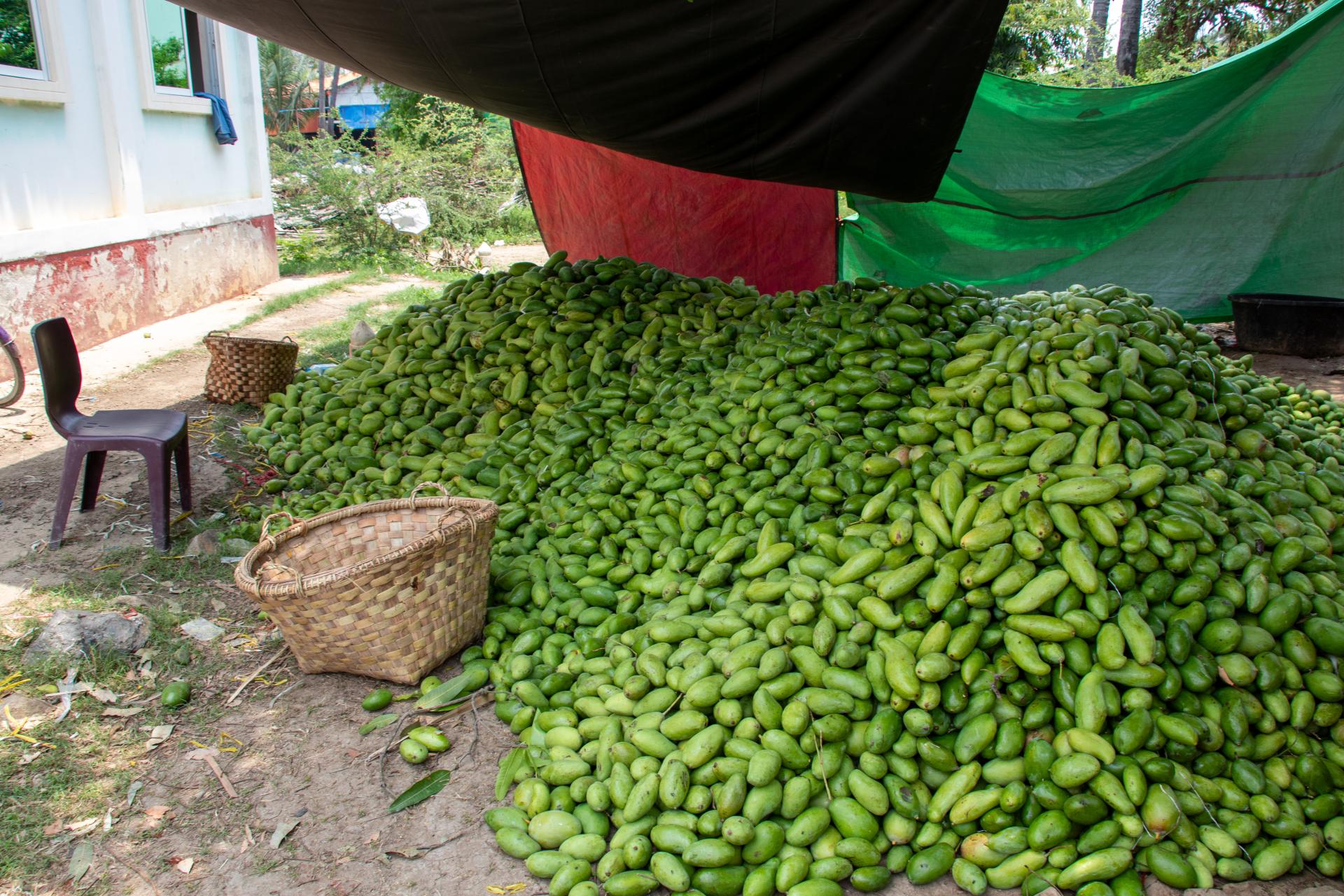
All photos © LIFT/Aung Phyo Paing